

Advertisements
One in four Americans aged 65 and older has trouble paying for basic needs. This shows how important senior support is in the United States.
This guide explains the main types of support for older adults and caregivers. It covers federal programs like Social Security and Medicare. It also includes state, local, nonprofit, and private resources.
Advertisements
The goal is to help readers find aging resources and senior programs that fit their local needs. This applies to both cities and rural areas.
Readers will learn what senior support includes and how to check eligibility. It also shows which official sources to contact, like the Social Security Administration and Centers for Medicare & Medicaid Services.
This guide is for seniors 65+, family caregivers, social workers, and community organizers. It provides steps for enrolling in support services.
Key Takeaways
- Senior support includes government, nonprofit, and private help for money, health, and daily living.
- Resources vary by state and location; check with Area Agencies on Aging for local information.
- Social Security, Medicare, and Medicaid are central to many senior support programs.
- Nonprofits like AARP and Meals on Wheels offer practical help and advocacy beyond government aid.
- Begin with official sources—Social Security Administration and CMS—to verify eligibility and application steps.
Understanding Senior Citizen Support Programs

Senior citizen support programs use public, private, and community help to assist older adults. They help people live with dignity. These programs offer coordinated services, financial aid, and local efforts focused on independence, health, safety, and social connection.
What are Senior Citizen Support Programs?
These programs provide financial help, healthcare coverage, and in-home personal care. They also include meal delivery, transportation, and technology training.
Counseling and volunteer chances are key parts too. Federal and state agencies fund many services. Nonprofits and Area Agencies on Aging deliver hands-on support.
Importance of Such Programs for Seniors
As the U.S. population ages, more people need special support. Chronic health problems are on the rise. The U.S. Census Bureau and Administration for Community Living report rapid growth in people aged 65 and older.
This growth puts pressure on families and care systems. These programs work to reduce poverty among older adults. They improve health and delay or prevent the need for nursing homes.
They also reduce stress on caregivers and improve life quality. Practical help and social connections are key benefits. Federal and state governments, Medicare, Medicaid, and groups like AARP work together.
Organizations like Meals on Wheels America, healthcare providers, faith groups, and local nonprofits join this effort. Together, they form a network offering outreach and support. They meet many needs of elderly people.
Types of Support Offered to Seniors
Older adults can access many programs for income, health, and social needs. This section lists common options and explains how they work.
Use these summaries to compare local programs and national benefits.
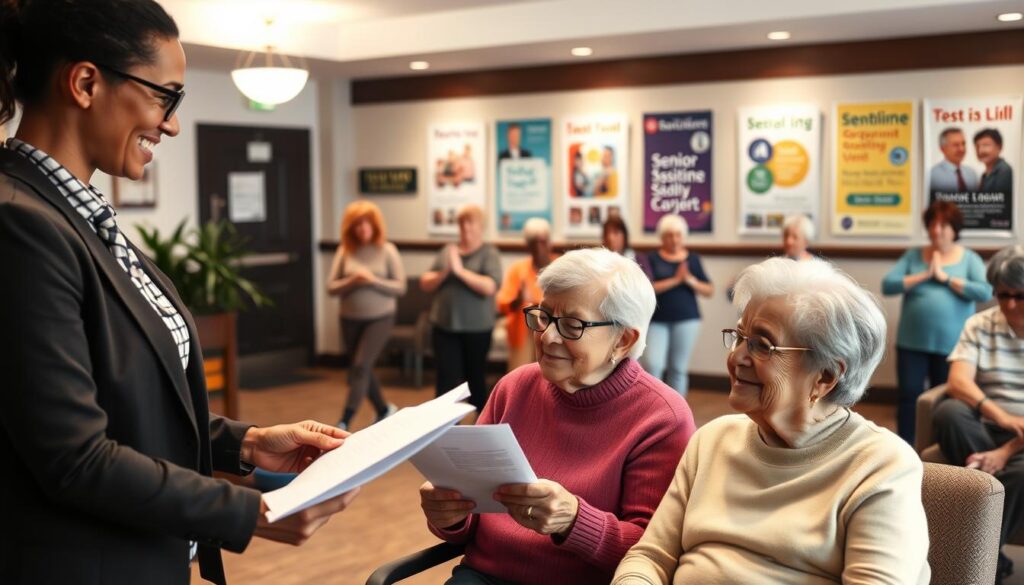
Financial Assistance Programs
Social Security retirement and survivor benefits are a main income source for many retirees. Payments depend on lifetime earnings and work credits.
Eligibility is based on age, work history, and family conditions.
Supplemental Security Income (SSI) helps low-income seniors and disabled people. SSI has income and asset limits, so reviewing federal and state rules is important.
SNAP offers food-purchasing aid for eligible low-income seniors. Many states have simplified applications and recertification for older adults.
LIHEAP and Section 202 help with utility bills and affordable housing. Property tax relief and pension benefits vary by state.
Seniors should check their state website or Area Agencies on Aging for details.
Healthcare Support Services
Medicare has four parts: Part A for hospital care, Part B for medical services, Part C as an alternative plan, and Part D for drugs.
When and how seniors enroll affects coverage and costs.
Medicaid is a federal-state program that covers long-term care for qualifying low-income seniors. Rules differ across states.
Medicare Savings Programs and Extra Help reduce healthcare costs. Many seniors qualify for some support based on income and resources.
Home- and community-based services (HCBS) offer personal care, home health, and adult day services.
These keep seniors safe and independent in their homes.
Chronic disease management and preventive services are part of Medicare benefits. Annual visits, screenings, and vaccines help maintain health and catch problems early.
Community Engagement Opportunities
Senior centers and meal programs promote social interaction, fun activities, and good nutrition. They often provide classes, fitness, and transportation help.
Faith-based and community groups offer companionship and support. Volunteers deliver meals and provide check-in visits to limit isolation.
Lifelong learning, intergenerational activities, and volunteer roles keep seniors active and sharp. Part-time work programs offer income and purpose.
| Support Type | Typical Programs | Who Benefits |
|---|---|---|
| Financial | Social Security, SSI, SNAP, LIHEAP, property tax relief | Retirees, low-income seniors, survivors |
| Healthcare | Medicare A/B/C/D, Medicaid, Medicare Savings, HCBS | Seniors needing medical care, low-income individuals, those needing long-term care |
| Community | Senior centers, congregate meals, faith-based outreach, volunteering | Seniors seeking social contact, nutrition, skill-building, or part-time work |
| Resources & Planning | Area Agencies on Aging, state benefit portals, retirement community resources | Anyone researching local services and eligibility |
Government-funded Programs for Seniors
The federal and state systems offer programs for older adults. These programs assist with income, health care, long-term support, and veteran benefits. Many seniors first turn to social security and public health programs for reliable support.
Local senior help centers guide applicants through eligibility and paperwork for these benefits.
Social Security Benefits
Social Security retirement benefits provide monthly income based on lifetime earnings. Full retirement age varies by birth year. Early retirement is available but with reduced benefits.
Claiming benefits later raises the monthly amount. Spousal and survivor benefits offer income for spouses and eligible survivors.
Disabled older adults may qualify for Social Security Disability Insurance (SSDI). SSDI recipients reaching retirement age often transition to regular retirement benefits without losing eligibility.
Applications can be filed online through the Social Security Administration website. Claimants should review how claiming age affects their benefits.
Medicare and Medicaid Options
Medicare covers adults 65 and older and some younger people with disabilities. Part A covers hospital care. Part B covers outpatient services.
Medicare Advantage plans, called Part C, are offered by private insurers. They bundle Parts A and B and often add extra benefits.
Part D provides help with prescription drug costs. Enrollment occurs during set windows like the Initial Enrollment Period. Late enrollment can lead to penalties.
Medicaid eligibility varies by state and often includes long-term services Medicare does not cover. Low-income seniors may qualify for both programs, called dual eligibility.
Medicare Savings Programs can help with premiums, deductibles, and copays for eligible individuals.
States provide Home and Community-Based Services waivers to offer nursing home care alternatives. These waivers allow seniors to receive services at home or community settings.
Veterans can access Veterans Affairs health care and benefits like Aid & Attendance for extra financial support.
Many seniors start navigating these options at senior help centers and local agency outreach. These centers assist with comparing benefits, completing applications, and finding programs to meet individual needs.
Non-profit and Community Organizations
Non-profit groups and community organizations fill vital gaps in services for older adults. They provide practical help, advocacy, and local support that improve daily life.
Area Agencies on Aging guide seniors to nearby options and programs that boost social connections.
AARP: Resources for Older Adults
AARP offers advocacy, clear information, and tools on financial planning and health care navigation. The organization runs discount programs, online guides, and local chapters that give benefits counseling and technology help.
These resources support caregivers and help seniors compare Medicare plans, find budgeting tools, and learn digital skills.
Meals on Wheels: Combating Hunger
Meals on Wheels America and its local affiliates deliver nutritious meals to homebound seniors. Drivers often give brief wellness checks when they drop off food, helping spot urgent needs early.
Eligibility rules vary by location. Many local programs welcome donations and volunteers to expand reach.
Local Senior Centers: Socialization and Activities
Senior centers offer congregate meals, fitness classes, and educational workshops. They host caregiver support groups and coordinate transportation and recreational activities that reduce isolation.
Regular participation improves mental health and lowers loneliness, according to community studies.
United Way, Salvation Army, Jewish Family Service, and Catholic Charities provide targeted support like home repair, case management, and emergency aid.
Local community action agencies and faith-based groups work with senior centers and Area Agencies on Aging. Together, they extend elderly support groups and retirement resources across neighborhoods.
Technology Assistance for Seniors
Technology can bridge gaps in care and connection for older adults. Local libraries, senior help centers, community colleges, and nonprofits offer training that helps seniors use devices.
They also teach managing online accounts and staying safe on the internet. Partnerships with private firms expand these efforts. This creates more entry points for learning.
Digital Literacy Programs
Public libraries often run free classes about basic device use, email setup, web browsing, and privacy settings. Community colleges and senior centers provide small-group workshops and one-on-one coaching.
These sessions are tailored to different skill levels. Private-sector partnerships add reach and tools. Best Buy’s Geek Squad community programs and AARP’s technology resources supply practical lessons and materials.
Some telecom companies offer senior-friendly plans. These include simplified devices and dedicated help lines. Learning digital skills improves access to information, e-billing, and online banking.
It also enhances social connection. Digital skills strengthen safety through fraud awareness. They make telehealth visits easier to arrange. These benefits support broader senior citizen networks.
Telehealth Services for Remote Support
Telehealth expands care for homebound seniors by enabling virtual primary care, specialty consults, behavioral health, and remote monitoring. Medicare’s evolving policies have broadened coverage and reimbursement.
This increases access for many beneficiaries. Video visits work on smartphones, tablets, laptops, or dedicated telehealth devices. Remote patient monitoring devices track blood pressure, glucose, and heart rate.
They send data to clinicians for timely intervention. Local clinics, Area Agencies on Aging, and health systems provide setup assistance and navigation help. Senior help centers guide seniors through app installation, test calls, and privacy settings.
This support makes telehealth practical and comfortable for seniors.
Transportation Services Tailored for Seniors
Access to safe, reliable travel keeps older adults connected to medical care, social events, and essential shopping.
Local agencies, nonprofits, and private companies work together to expand options that meet mobility needs.
These programs often tie into senior outreach services and broader senior citizen support networks.
Public Transit Options
Many municipal transit systems offer ADA complementary paratransit for riders who cannot use fixed-route buses.
Applicants must complete eligibility forms, provide documentation, and follow advance scheduling windows.
Fares vary by region, with some agencies offering reduced rates for Medicare recipients.
Fixed-route services often include senior discounts, priority seating, and low-floor buses for easier boarding.
Riders should check regional transit authority sites or call customer service to learn about passes and service hours.
Volunteer driver programs run by organizations like Meals on Wheels and local faith groups provide door-to-door rides.
These volunteers offer personalized help, making these programs a key part of senior outreach services.
Ride-Sharing Services for Elderly
Ride-hailing platforms such as Uber and Lyft partner with community centers to offer senior-friendly trips.
Specialized companies provide companions, boarding help, and wheelchair-accessible vehicles when needed.
Some local initiatives subsidize fares to lower transportation costs for older adults.
Safety features include background checks, in-app trip sharing, and wheelchair-securement protocols.
Caregivers can schedule rides on behalf of seniors or use phone-based booking through local agencies for those who prefer not to use apps.
| Service Type | Typical Features | How to Access |
|---|---|---|
| ADA Paratransit | Door-to-door or curb-to-curb, eligibility review, advance booking | Apply through regional transit authority with documentation |
| Fixed-Route Transit | Senior discounts, priority seating, accessible buses | Purchase reduced fare pass at transit offices or online |
| Volunteer Driver Programs | Personal assistance, rides to appointments and grocery stores | Contact local nonprofits or senior centers for referrals |
| Ride-Hailing Partnerships | Subsidized trips, companions, wheelchair-accessible vehicles | Sign up via community programs or use Uber/Lyft with caregiver support |
| Specialized Senior Transport | Trained drivers, medical-appointment focus, door assist | Enroll through hospitals, Area Agencies on Aging, or senior outreach services |
Training sessions at libraries and senior centers teach app use and safety practices.
Combining public transit, volunteer drivers, and ride-sharing partnerships creates many options that strengthen senior support.
Mental Health Support for Older Adults
Older adults benefit from mental health care that fits their stage of life and health needs. This section outlines counseling options and crisis resources. It also highlights community support networks that reduce isolation and improve life quality.
Medicare Part B covers many outpatient mental health visits, like psychotherapy and psychiatric evaluations.
Seniors can get care from licensed geriatric psychologists, psychiatrists, and social workers in private or community settings. Tele-mental health helps homebound patients by offering cognitive behavioral therapy made for older adults.
Evidence-based treatments help with late-life depression, anxiety, and grief. Cognitive behavioral therapy (CBT) tailored for seniors and problem-solving therapy show good results.
Primary care doctors often refer patients to specialists who focus on geriatric mood disorders and combined medical-psychiatric care.
For urgent needs, the National Suicide & Crisis Lifeline offers immediate crisis support by phone. Local crisis lines and emergency departments handle acute psychiatric emergencies.
Caregivers should keep a list of nearby urgent resources and know their Medicare behavioral health benefits.
Peer-led and professionally guided groups provide practical help for caregivers, grief, chronic illness, and substance use recovery. The Alzheimer’s Association and similar groups host regular support meetings that mix education with emotional care.
Support groups reduce loneliness and share coping methods. They connect members to resources like transportation, meal programs, and legal aid.
Online communities offer safe places for seniors who cannot attend in person. These groups build social bonds and offer daily tips to manage health.
Faith communities and trained volunteers are key in outreach. Many churches, synagogues, and mosques run visiting programs, phone check-ins, and small group activities.
These networks often work with local nonprofits to expand support for seniors in their neighborhoods.
| Service | Who Provides It | Typical Coverage | Primary Benefit |
|---|---|---|---|
| Outpatient Therapy | Licensed therapists, geriatric psychiatrists | Medicare Part B, private pay | Reduces depression and anxiety with evidence-based methods |
| Tele-mental Health | Health systems, private practices | Medicare reimburses many services | Access for homebound or rural seniors |
| Peer Support Groups | Alzheimer’s Association, local nonprofits | Usually free or low cost | Shared experience and practical coping strategies |
| Crisis Lines | National Suicide & Crisis Lifeline, local hotlines | Free | Immediate safety and de-escalation |
| Faith-Based Support | Churches, synagogues, mosques | Often free | Regular check-ins and social connection |
| Community Mental Health Centers | Local health departments, nonprofit clinics | Sliding scale, Medicaid often accepted | Comprehensive, integrated care and referrals |
Volunteering Opportunities for Seniors
Volunteering offers older adults a way to stay active and share valuable skills. It also helps them connect with neighbors. Many local groups welcome seniors and offer flexible schedules.
This section highlights benefits and options for seniors who want meaningful roles in their communities.
Benefits of Staying Active and Engaged
Regular volunteer work supports mental health by reducing isolation. It also lowers rates of depression. Studies show volunteering improves cognitive function in later life.
Volunteering often involves physical activity that boosts mobility and stamina. Light duties like greeting visitors or leading walks maintain fitness without strain.
Volunteering builds social networks that reduce stress and lift mood. Some programs offer modest stipends or reimburse expenses, which helps those on fixed incomes.
Local Volunteer Programs to Consider
RSVP (Retired and Senior Volunteer Program) places seniors in tutoring, disaster response, and food security roles. Senior Corps provides training and fits volunteers to tasks by skill and mobility.
Libraries, schools, hospitals, and Meals on Wheels often need reliable volunteers. Many retirement communities arrange roles and intergenerational activities benefiting residents and youth.
To find placements, contact Area Agencies on Aging, VolunteerMatch, or Serve.gov. Local faith groups and community foundations list options that match interests and senior assistance programs.
| Placement Type | Typical Duties | Physical Demand | How It Links to Resources |
|---|---|---|---|
| RSVP / Senior Corps | Tutoring, disaster relief, food distribution | Low to moderate | Connects volunteers with senior outreach services and training |
| Meals on Wheels | Meal delivery, meal prep assistance, wellness checks | Low | Supports nutrition programs and coordinates with senior assistance programs |
| Library & School Programs | Reading mentors, classroom aides, tech helpers | Low | Creates intergenerational ties and uses retirement community resources for coordination |
| Hospitals & Clinics | Wayfinding, companionship, administrative support | Low to moderate | Enhances patient experience and links to local senior assistance programs |
| Retirement Community Roles | Activity leaders, peer counselors, event volunteers | Low | Uses internal retirement community resources for scheduling and support |
How to Access Senior Citizen Support Programs
Accessing senior citizen support starts with a clear plan. They should assess needs with a simple checklist. This checklist covers finances, medical care, mobility, and social activities.
This helps them choose which services to prioritize. Options include elderly care services at home or meal programs at senior centers.
Next, gather required documents: Social Security number, proof of age, income records, medical notes, and residency verification.
For federal benefits, apply online when possible. Social Security benefits are available through ssa.gov. Medicare enrollment happens via medicare.gov or Social Security.
SSI applications go through the Social Security Administration. For nutrition or energy help, use state portals or local offices to apply for SNAP and LIHEAP.
To enroll locally, contact Area Agencies on Aging. They provide care coordination and home- and community-based support.
Local senior centers handle intake for meals, classes, and volunteer roles. For complex cases, seek help from State Health Insurance Assistance Programs (SHIP) for Medicare counseling.
You can also get legal aid for appeals or use eldercare locators to plan long-term care.
Use national resources and nonprofit directories to find programs nearby.
Check the Administration for Community Living’s Eldercare Locator, Benefits.gov, AARP local offices, Meals on Wheels America, United Way chapters, and 2-1-1 referral services.
Verify legitimacy by checking official sites. Request written eligibility details, and consult trusted family or advisers before sharing personal information.
They should also complete advance directives and review benefits yearly. Consider advocacy through groups like AARP to strengthen funding for support.