

Advertisements
Nearly one in four U.S. households struggle to afford reliable transportation. This limits access to jobs, healthcare, and school for many families.
This guide explains transportation aid programs and affordable solutions that help people reach their destinations. It covers local, state, and federal options offering reduced fares, subsidies, and financial help for transportation.
Advertisements
Rising fuel prices and fewer car owners mean many Americans use public transit and shared services. Public transit subsidies and targeted aid improve mobility and economic chances.
These programs especially help seniors, people with disabilities, and low-income residents. Readers will learn about program options, eligibility checks, and how to apply for aid.
The article highlights city and state initiatives, federal resources, services for seniors and disabled individuals, nonprofit partnerships, common barriers, and success stories.
Key Takeaways
- Transportation aid programs offer reduced fares, subsidies, or vouchers to improve access.
- Affordable transportation solutions exist at local, state, and federal levels.
- Financial help targets seniors, people with disabilities, low-income residents, and community groups.
- Knowing eligibility and application steps increases chances of receiving support.
- Later sections explain program types, examples, and resources to apply successfully.
What Are Transportation Aid Programs?

Transportation aid programs help people who face problems with travel costs or access. These programs lower travel costs or provide rides so people can reach important places. Examples include work, medical care, school, and community services.
Definition of Transportation Aid
Many groups run these programs. They include transit agencies, state transportation departments, the U.S. Department of Transportation, nonprofits, and private foundations.
Examples are reduced fare cards for seniors and disabled people, Medicaid non-emergency medical transportation, Section 5310 grants, vanpool subsidies, and rideshare partnerships.
These aids cover subsidized transit fares, paratransit, emergency ride programs, and income-based discounts. Providers often work with social service agencies to address complex needs.
Importance of These Programs
Having reliable travel helps people find jobs, avoid missed medical appointments, and get to school. Research shows that subsidized travel increases transit use among low-income families.
It also lowers missed healthcare visits by providing dependable transportation. Another benefit is less traffic congestion and reduced greenhouse gas emissions.
These programs help older adults and disabled people live independently. They support social equity and mobility goals in federal and state plans.
When planners use focused funding and good outreach, transportation aid can improve economic chances and public health for many people.
Types of Transportation Aid Programs
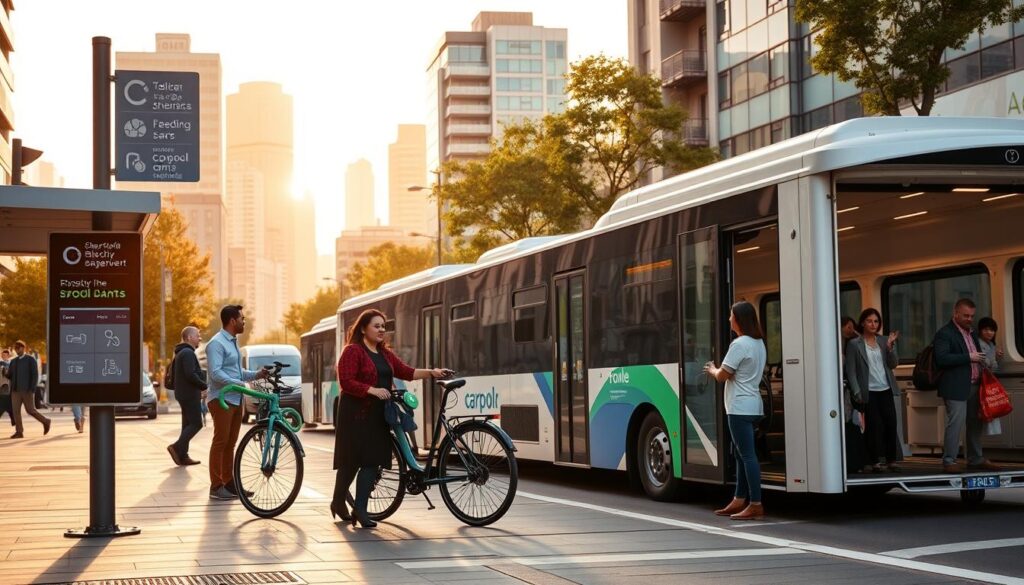
Transportation aid programs come in many forms to meet different needs. They help lower daily costs and expand access in underserved areas. These programs also support people with mobility challenges. The main types include public transit discounts and targeted rideshare partnerships.
Public Transportation Assistance
Many transit agencies offer reduced fares for seniors, students, veterans, and low-income riders. Examples include New York’s MetroCard, Los Angeles Metro, and Chicago Transit Authority programs.
Income-based fare programs like King County Metro’s ORCA LIFT provide steep discounts on passes and single rides. These programs are funded by local sales taxes, state aid, and federal grants such as FTA Section 5307 and Section 5311.
Paratransit services required by the Americans with Disabilities Act offer door-to-door trips for eligible riders. Transit agencies run complementary paratransit alongside fixed-route service to meet mobility needs.
Rideshare Services for Low-Income Residents
Transit agencies and social service groups partner with Uber, Lyft, and regional providers to offer subsidized rideshare programs. Boston pilots test capped-cost trips for first/last-mile connections, work, and medical visits.
Voucher and microtransit programs give ride credits or run on-demand shuttles in low-density neighborhoods. These programs set monthly limits to control costs while expanding access where fixed-route transit is limited.
Program planners consider safety, accessibility, and digital access. They ensure wheelchair-capable vehicles are ready and provide options for riders without smartphones. These steps improve municipal fare assistance and broaden subsidized transportation choices.
Eligibility Requirements for Transportation Aid
Programs that offer low-income transportation support set rules to keep help fair and trackable. Applicants can expect checks on income and residency. Sometimes, program participation is also verified. These rules vary across cities, counties, and states.
Income Limits
Many agencies use the federal poverty level (FPL) or area median income (AMI) to decide eligibility. Usually, the cutoff is 200% of the FPL for household qualification. Some programs use a flat dollar limit for single riders.
Transit systems like ORCA LIFT require proof of low income or enrollment in SNAP, Medicaid, or TANF. They accept federal assistance participation as automatic eligibility for transit aid.
Common documents include recent pay stubs, award letters, tax returns, or a benefits letter. Applicants should bring copies of two recent pay stubs or a current benefit statement when applying.
Residency Requirements
Residency usually must be inside the transit agency’s service area, city limits, or state boundaries. Fare programs often ask for a driver’s license, utility bill, or lease as address proof.
Statewide programs like Medicaid non-emergency medical transportation (NEMT) need state residency and active Medicaid enrollment. Some regional or federally funded services allow nonresidents traveling into the area for work or medical care.
Since rules vary, applicants should check the transit agency’s criteria carefully. They should prepare documents for both income and residency before applying for transport aid.
How to Apply for Transportation Aid Programs
Before starting an application, gather basic information. Pick the best option for your needs. Many seek government or municipal fare assistance for transportation.
The next steps explain how to apply online. They also cover the documents usually needed.
Online Application Process
Most transit agencies and social service partners offer online portals or downloadable forms. For example, riders can find reduced-fare pages on transit agency websites. They can also find NEMT enrollment on state Medicaid sites.
Step-by-step guidance can reduce delays. Create an account if the portal requires it. Select the correct program, answer eligibility questions, upload documents, and submit the form.
Note typical processing times. Check your status online or by phone. Applicants without internet access have other options.
Agencies provide phone hotlines and in-person service centers. They also offer mail-in forms and help from groups like United Way or senior centers. Asking for assistance at a public library can speed the process.
Required Documentation
Common documents include proof of identity, such as a driver’s license, state ID, or passport. Proof of income includes pay stubs, benefit letters, or tax returns. Proof of residence comes from utility bills, leases, or similar records.
Programs for seniors or disabled riders ask for documentation of age or disability. Acceptable items include a doctor’s note, Social Security disability letter, or Medicare card. Some programs need specific IDs like Medicaid or veteran IDs.
Agencies may require original or certified documents for verification. Many income-based programs need periodic recertification. Applicants should check ID expiration dates and submit current materials to avoid delays.
When seeking municipal fare assistance or other support, keep digital and paper copies of submissions. Clear labeling of files and noting submission dates helps when checking application status for financial help or broader government assistance.
Local Transportation Aid Programs
State and city agencies run many transportation aid programs. These programs help residents reach work, school, and medical appointments. They include grants and city pilots to improve access.
Readers will find examples below. These show how different areas offer subsidized transportation and municipal fare assistance.
Overview of State-Specific Programs
Departments of transportation, human services, and Medicaid manage many programs. California supports on-demand shuttles and paratransit that complement local transit. Texas funds rural transit programs to keep services running outside urban areas.
Florida adds paratransit services linked to county transit systems. Section 5311 formula grants are federal funds states use for rural transit. These grants help keep low-cost services in counties where fixed-route buses are rare.
Some states run pilot projects for microtransit and mobility-on-demand. These pilots focus on underserved neighborhoods and test partnerships with private companies.
Examples of City-Wide Initiatives
Cities create programs to reduce travel barriers. Seattle’s ORCA LIFT gives income-based fare discounts to lower monthly costs for eligible riders. San Francisco’s Muni Lifeline Transit Program offers discounted passes for low-income residents through state pilots.
New York City runs Fair Fares NYC, which provides reduced MetroCards for daily commuters. Cities partner with rideshare companies to close first- and last-mile gaps. They also pilot fare-capping, which limits daily rider costs.
Local human service agencies and nonprofits operate shuttles for work and medical trips. Funding comes from municipal fare assistance, state grants, and charitable groups.
Federal Transportation Aid Programs
The federal landscape offers targeted funding streams that support local mobility. These funds improve access and help subsidize service operations.
Many communities rely on these programs to maintain transit services. They also expand paratransit and make fares more affordable for riders.
Overview of Assistance Options
The Federal Transit Administration delivers several core programs. Section 5310 funds mobility for seniors and people with disabilities. Nonprofits and transit agencies often use it to buy accessible vehicles.
Section 5311 supports rural transit. It keeps buses and demand-response services running in small towns.
Urbanized areas benefit from Section 5307 funds. These help maintain fixed-route services and paratransit.
Medicaid NEMT requires states to provide rides to medically necessary care. Many trips use brokers or managed services funded through Medicaid.
Emergency federal grants, like CARES Act and ARPA, have helped cover operating losses. They also supported special mobility initiatives.
Veterans can access Department of Veterans Affairs transportation benefits. Area Agencies on Aging often use Older Americans Act funds to support local rides.
Public transport subsidies from these programs often lower fares or fund neighborhood shuttle routes.
Resources for Additional Information
For official program details, contact state departments of transportation and local transit agencies. Metropolitan Planning Organizations and Area Agencies on Aging help with guidance and applications.
National groups like the American Public Transportation Association and Easterseals offer technical resources. Grants.gov lists open funding opportunities.
For NEMT policy, check federal Medicaid guidance. State Medicaid offices provide rules for implementation.
Transportation Aid for Seniors and Disabled Individuals
Older adults and people with disabilities often have unique mobility needs. Local and federal transportation aid programs offer options to keep riders connected to health care, shopping, and community life.
This short guide outlines specialized services and steps to access them.
Specialized Services Available
Paratransit provides door-to-door or curb-to-curb rides for riders who cannot use fixed-route buses. Transit agencies like the Metropolitan Transportation Authority and King County Metro run ADA-mandated paratransit systems for eligible passengers.
Senior shuttle services and demand-response transit are common in many cities and counties. Nonprofits and agencies often run free or low-cost shuttles for errands, medical visits, and social programs.
Volunteer driver programs help where public transit does not reach. Churches, Area Agencies on Aging, and groups like Meals on Wheels organize volunteer networks for appointment rides.
Specialized mobility programs funded by Section 5310 provide wheelchair-accessible vans and coordination support. These programs expand options for riders with limited mobility.
How to Access These Programs
Applicants for ADA paratransit usually must complete registration and a functional assessment to confirm eligibility. Senior programs often require proof of age, usually 60 or older, and residency confirmation.
Booking varies by provider. Many programs accept phone reservations and online portals. Some paratransit services need 24- to 48-hour advance notice.
Subscription rides can be arranged for recurring trips like dialysis or work commutes.
Area Agencies on Aging and state disability services offer help with applications and referrals. Travel training teaches riders how to use fixed-route transit to reduce reliance on specialized services. Accessible trip-planning tools assist with route selection and transfers.
Low-income transportation programs and local transit support services often coordinate with these specialized options. Contacting the local transit agency or Area Agency on Aging is a practical first step to identify available services and registration procedures.
Transportation Aid for Nonprofits and Community Organizations
Nonprofits and community groups play a big role in helping people get around. They use partnerships, funding, and good plans to stretch budgets and reach more people. This section shows ways to work together and find grants for transit services and lower-cost travel options.
Collaboration Opportunities
Nonprofits partner with public transit to give clients rides for jobs and medical visits. Shared shuttle services cut costs when social agencies join routes.
Rideshare companies like Uber Health and Lyft Concierge link with programs for rides after hospital stays. These trips help reduce missed doctor visits and hospital readmissions.
Brokerage models let smaller groups use many providers. A broker manages trips with taxis, paratransit, microtransit, and volunteer drivers for better efficiency.
Grant and Funding Resources
Federal and state funds help nonprofits grow subsidized transportation. Important federal programs include FTA Section 5310 for seniors and people with disabilities. Community Development Block Grants support community transport projects.
State transit aid and private foundations offer flexible funding. Many grants need local matches, clear goals, and regular reports. Applicants should plan for matching funds and data systems.
Technical help is widely offered. State Departments of Transportation and groups like the National Aging and Disability Transportation Center provide training, templates, and grant-writing assistance.
| Funding Source | Typical Use | Eligibility Highlights | Reporting / Requirements |
|---|---|---|---|
| FTA Section 5310 | Vehicle purchase, mobility management, accessible services | Nonprofits serving seniors and people with disabilities | Performance metrics, local match (varies by state) |
| Community Development Block Grants (CDBG) | Community transport projects, facility improvements | Nonprofits with community development goals | Community impact reporting, compliance with HUD rules |
| State Transit Operating Assistance | Service expansion, operating subsidies | Local nonprofits and transit agencies | Ridership data, fiscal audits |
| Private Foundations | Pilot programs, mobility innovation, staffing | Organizations aligned with foundation priorities | Grant agreements, outcome reporting |
Challenges in Accessing Transportation Aid Programs
Many people who need support face real hurdles when seeking help. Technology needs, paperwork, and limited service areas cause challenges for transportation aid programs.
Common Barriers to Participation
Digital divide issues leave some applicants behind because enrollment depends on smartphones or websites. Seniors and low-income households without reliable internet struggle with these forms.
Complex eligibility rules and heavy paperwork slow down processing. Medical records, proof of income, and ID requirements discourage applicants and cause long waits.
Rural areas and transit deserts have fewer routes and infrequent service. Paratransit limits trips and can have long pickup windows, adding to transit barriers.
Language differences and poor outreach keep marginalized groups unaware of available aid. Funding limits force programs to ration rides and keep waiting lists.
Solutions to Overcome These Challenges
Offer alternatives to app-based systems. Phone hotlines, mail-in forms, and staffed kiosks at community centers help people access transportation help easily.
Partner with local groups like United Way and public libraries for outreach. Trained volunteers assist applicants with forms and required documents.
Policymakers can expand fare caps and support rural transit under Section 5311. First/last-mile options like bike-share fill service gaps.
Design simple voucher systems and multilingual service lines. Shared platforms help transit agencies and nonprofits coordinate schedules and maximize resources.
Reducing paperwork, improving outreach, and adapting technology together can remove many barriers. Small, practical changes increase access to transportation help for many people.
Success Stories: Impact of Transportation Aid Programs
Real-world accounts show how targeted transit support services change lives. Case studies from programs such as Fair Fares NYC and ORCA LIFT document clear gains in job retention, medical access, and daily mobility.
Testimonials from Beneficiaries
A single parent in Philadelphia kept steady work after joining an income-based fare program that cut monthly commute costs.
A senior in Portland got independence back when a neighborhood shuttle gave door-to-door rides to grocery stores and community centers.
A person with mobility impairments missed fewer doctor visits using paratransit under Medicaid NEMT, improving chronic care management.
Overview of Positive Outcomes
Evaluations report measurable results: higher ridership among target groups and fewer missed appointments due to better access.
Long-term studies link reliable transit support services to increased job retention when travel barriers are removed.
Affordable transportation solutions also lower other public costs. Reduced emergency visits and improved preventive care are common findings.
Agencies that keep funding strong and simplify enrollment often see lasting benefits and better community outcomes.
Key metrics from program evaluations include ridership growth, fewer missed medical appointments, and better employment stability. These indicators show the broad impact of transportation aid programs for families and communities.
Future of Transportation Aid Programs
The future of transportation aid will rely on new technology, funding changes, and a focus on fairness. Cities and states are trying systems that combine transit, microtransit, and rideshares into one payment method. These pilots often test fare-caps and discounts to help riders with low incomes.
Federal funds will likely support operations and targeted subsidies. This may increase public transport aid and back electric shuttles and on-demand microtransit. Agencies will use data to find service gaps and improve aid through equity metrics.
Possible policy changes include clearer federal rules for income-based fares and better partnerships with private mobility companies. Changes in Medicaid and state transportation rules may help streamline services through coordinated brokers. Oversight will be needed to keep service quality high.
Stakeholders should watch rules from the U.S. Department of Transportation and state DOT actions. Groups like the American Public Transportation Association will also influence program designs. If funding matches equity goals, transportation aid can reduce poverty barriers and improve economic mobility.